High-End Hospitality Meets The PLEDGE on Food Waste
A luxury hotel sustainability strategy helps premium venues balance hospitality with environmental care. At Kazan Palace by TASIGO and Neo Kazan Palace by TASIGO, the definition of luxury is evolving. It is no longer just about the grand glass roofs or the panoramic views of the Kazanda Lounge. Specifically, it is about a deep-seated respect for the ingredients that reach the plate.
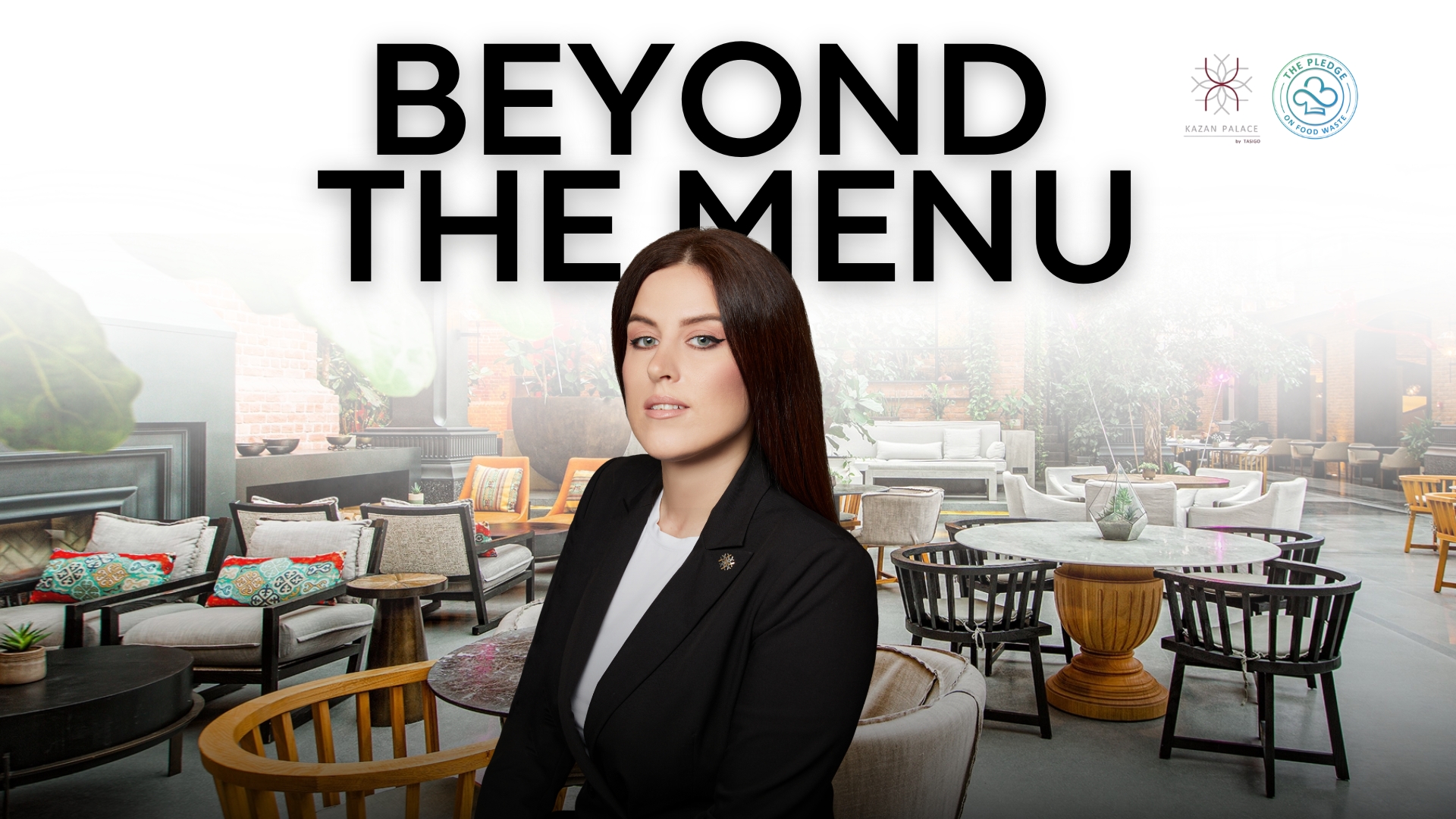
The properties recently reached a new milestone in their waste journey. Therefore, they prove that five-star service and circular economy principles can coexist seamlessly. Leading this charge is Julia Broslavskaya, the F&B Manager. Her career path has given her a front-row seat to the industry’s greatest waste challenges.
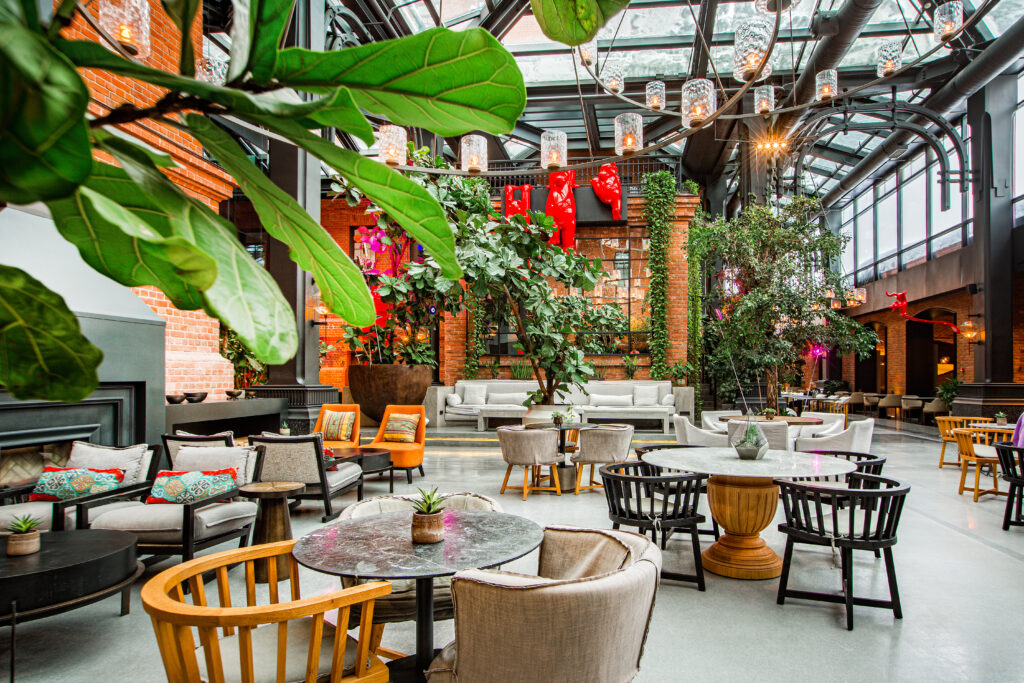
Developing a Luxury Hotel Sustainability Strategy
“The biggest challenge in guest engagement is balancing education with flawless hospitality,” Julia says. “Key task is to convey waste-reduction as planetary care, not cost-cutting. We must maintain abundance and choice in luxury to avoid scarcity vibes.”
Consequently, the first step for her team was identifying invisible kitchen waste through deep data analysis. They quickly categorized the primary culprits into three distinct operational areas to align with global [UN Sustainable Development Goals]:
- Buffet Over-preparation: Excess premium food remaining unused in large gastronorm containers.
- Guest Plate Leftovers: Overfilled plates caused by a standard sampling approach to dining.
- Event Discrepancies: Large volumes of food waste caused by sudden guest no-shows at banquets.
Struggling to balance sustainability with the luxury guest experience? See how The PLEDGE certification gives your team a proven operational roadmap. → [Explore The PLEDGE Framework]
Operational Shifts and Smaller Equipment Impact
To tackle these issues, the culinary team moved completely away from the mass production mentality. Ultimately, one of the most effective changes was a simple hardware swap on the main buffet line.
“Smaller equipment: Switched bain-maries for hot dishes and cereals from 5L to 2.5L for fresher rotations and less line leftovers,” Julia explains. The team also adopted a strict cook-to-order principle. Next, the egg station prepares fresh items on request while the kitchen monitors real-time guest flow to adjust displays.
Results of the Luxury Hotel Sustainability Strategy
Perhaps the most innovative initiative is the unique Clean Plate rewards program. Guests who finish their à la carte portions receive a signature compliment. Specifically, they receive handmade candies made from recycled coffee grounds as a gentle reminder of food’s value.
In the Kazanda Lounge, the menu now features integrated zero-waste items like house salted caramel, berry sauce, and orange peel jam. Furthermore, the lounge provides a half-portion pasta option for flexibility. They also avoid automatic refills by offering bar nuts only upon direct request.
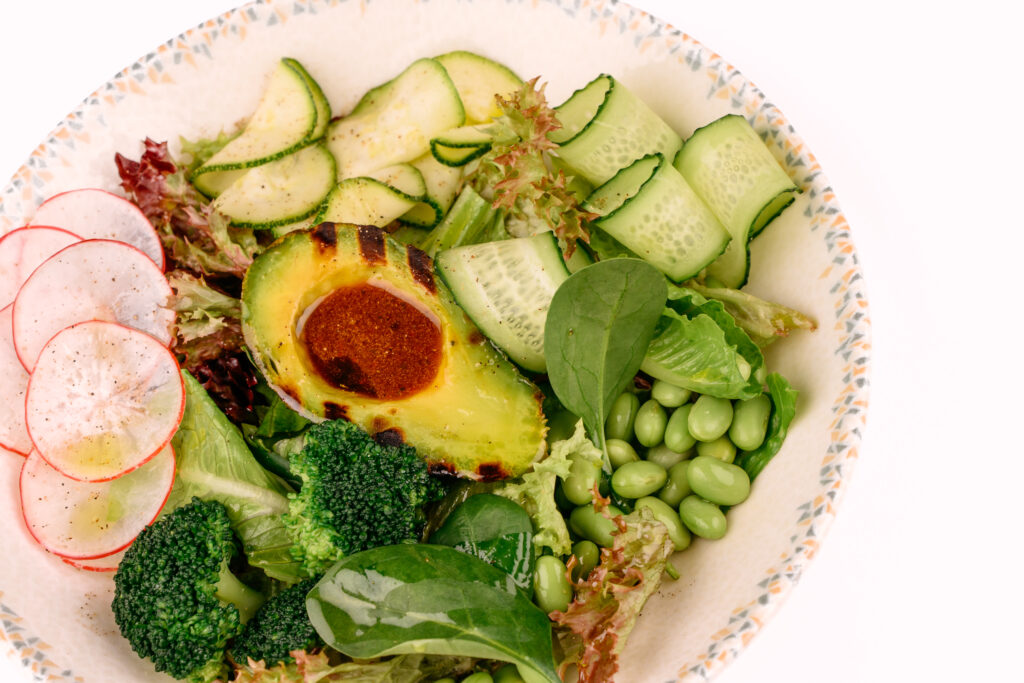
Balancing Five-Star Hospitality with Operational Stewardship
Engaging guests in a high-end setting requires an incredibly delicate touch. Thus, the team worked hard to ensure that sustainability never felt like prohibition.
“Our solutions: 1. Care, not prohibition: Frame as thoughtful stewardship; full choice preserved. 2. Staff storytelling: Frontline explains personally, warmly. 3. Positive focus: Highlight ‘delicious solutions’ like unique dishes—not the ‘waste problem.'”
The positive results of this luxury hotel sustainability strategy are already highly visible. Julia notes a massive shift in guest behavior. More half-portions are ordered in à la carte venues.

About Julia Broslavskaya

Julia Broslavskaya is the F&B Manager at Kazan Palace by TASIGO. Since 2011, she has risen through the ranks of international hospitality. Today, she leverages her operational expertise to lead one of the region’s most ambitious food waste reduction programs, proving that mindful gastronomy is the future of luxury travel.
Discover how other leaders in the Marriott network are hitting their sustainability targets. Read our previous feature, Beyond The Menu: How Lisbon Marriott Engaged Guests For A Perfect Food Waste Score, to see how António Pereira and his team achieved a 100% All-Star rating.