The hospitality and events industry is undergoing a radical shift toward verified excellence. Recently, industry experts outlined the new “2026 Hospitality Paradigm.” Specifically, they focused on how new hospitality sustainability standards are reshaping the global sector. Therefore, here are the critical takeaways for leaders looking to align with modern global expectations.
1. The Integrated Management System (IMS) Advantage
A primary focus of the session was the move toward an Integrated Management System (IMS). Instead of managing quality, environment, and safety in silos, the IMS synchronizes them through a harmonized structure. Consequently, this approach prevents wasted resources and separate audits.
Furthermore, integrated design reduces operational risks. It also strengthens brand equity for the organization. As a result, companies can implement multiple standards simultaneously to save significant time and money.
2. Hyper-Specialist Industry Standards
The webinar highlighted hospitality sustainability standards designed to create world-class compliance.
- ISO 22483 (Hotel Service Excellence): This standard measures the actual service output and facilities that guests experience directly.
- ISO 20121 (Event Sustainability): Recently revised in 2024, this now emphasizes social legacy and inclusivity. Accordingly, it ensures that local communities benefit from large events.
Not sure which certification framework is right for your property? Talk to our team and get a clear roadmap for your operations. → [Book a Free Consultation]
3. Food Waste: From Supply Chain to Success Story
In addition, a significant portion of the discussion centered on food waste management. Expert speakers explained how food waste is a critical component of the modern supply chain.
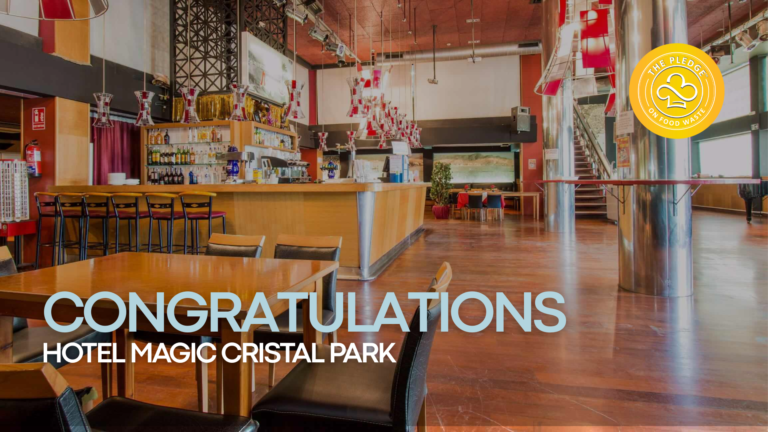
Clearly, this is about more than just trash. Chef Jacky shared a case study from The Athenee Hotel. He highlighted their long-term commitment as a measurable success story. Moreover, ISO 22000 (Food Safety) was noted as a tool for reducing waste through better stock rotation.
4. The Path to 2030: Mastering Carbon and Organic Waste
- For organizations aiming for industry-leading recognition, the path to 2026 and beyond requires a multi-layered approach to waste and emissions. Sustainability is no longer a broad goal; it is a technical requirement for high-end MICE markets that strictly demand verified performance data.
- The Carbon Focus: ISO 14064-1 is now essential for reporting carbon footprints, as global clients require precise data on the environmental impact of their events.
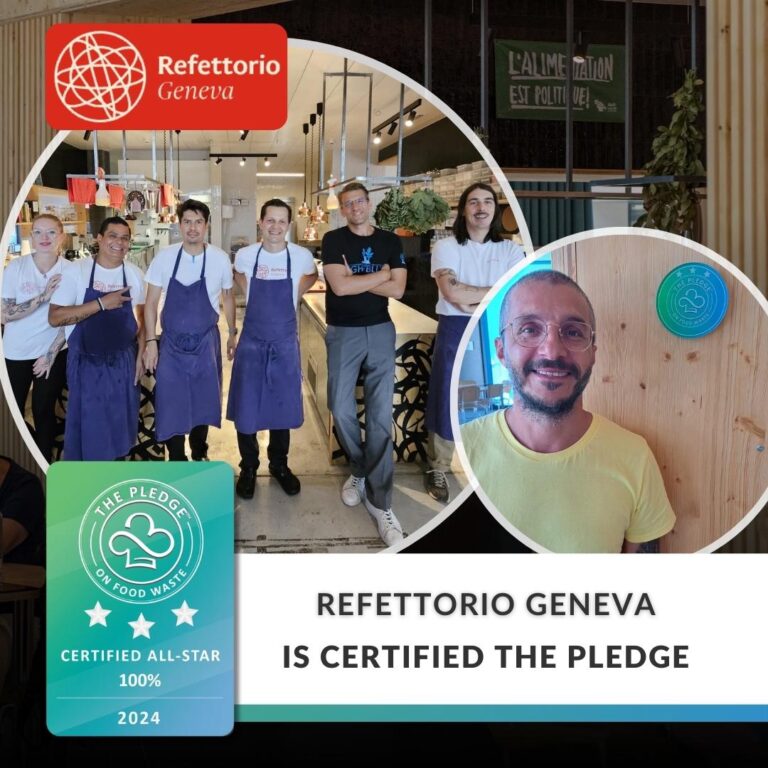
- The PLEDGE as a Strategic Support: The PLEDGE on Food Waste provides the necessary framework to meet these rigorous international standards by focusing on the single most impactful area of hospitality operations: organic waste.
- An Additional Layer of Excellence: While generic environmental systems manage the big picture, The PLEDGE adds a specialized layer of excellence for organic waste management. It transforms food waste from a liability into a documented success story, providing the granular data needed to satisfy global auditors and corporate stakeholders.
- Operational Proof: By implementing a certified food waste reduction program, hotels can provide “Real Success Stories” that prove their commitment to sustainability is both genuine and measurable.
See how The PLEDGE framework delivers the granular data your auditors and corporate stakeholders require. → [Explore The PLEDGE Certification]
5. Transitioning from Green Hotel to Green Hotel Plus
Thailand is currently bridging the gap between local recognition and international excellence. The Green Hotel Plus framework now aligns with the global ESG (Environmental, Social, and Governance) transition.
- Mandatory Carbon Reporting: Measurement and reporting of greenhouse gas emissions is now mandatory within this framework.
- Social Welfare: Standards now include expanded social criteria, such as labor ethics and child wellness.
Final Thoughts: The 2030 Roadmap Strategy
The webinar concluded with the 2030 Roadmap Strategy. Sustainability is no longer an “optional” campaign; it is a fundamental shift in how hotel and venue groups must operate to remain competitive in a global market.
Ready to dive deeper into global sustainability trends? Explore more insights by visiting the Navigating Directive (EU): From Food Waste Ambition to Measurable Impact.