A structured hospitality food waste framework helps commercial operators transition from simple waste management to a holistic resource optimization model. Specifically, in the lead-up to the International Day of Zero Waste, we are lifting the curtain on our most comprehensive operational system yet. The 6 pillars of The PLEDGE represent a critical strategic shift for food service providers. Therefore, we designed this audited roadmap for international hoteliers, restaurateurs, and culinary directors. The system aggressively reduces food costs and cultivates high-performing teams. Consequently, it secures world-class sustainability credentials that appeal directly to modern, ESG-driven stakeholders.
Why Leaders Adopt a Hospitality Food Waste Framework
A long-term commitment to sustainability remains only as strong as its formal structure. Transitioning food waste mitigation out of the backseat requires a standardized approach built on strategic alignment.
The Policy Framework
First, participating organizations must establish a formal, written Food Waste Reduction Policy alongside a tactical Action Plan. This document codifies internal responsibilities clearly. Thus, it ensures that every department aligns explicitly. This alignment includes procurement, inventory management, and front-of-house service.
KPIs and Corporate Transparency
Furthermore, setting clear, measurable Key Performance Indicators (KPIs) is mandatory under this pillar. Leadership systematically documents success metrics inside a comprehensive Annual Report. Meanwhile, this practice provides the radical transparency demanded by modern institutional investors and eco-conscious luxury travelers.
Cultivating a Grassroots Culture via Staff Engagement
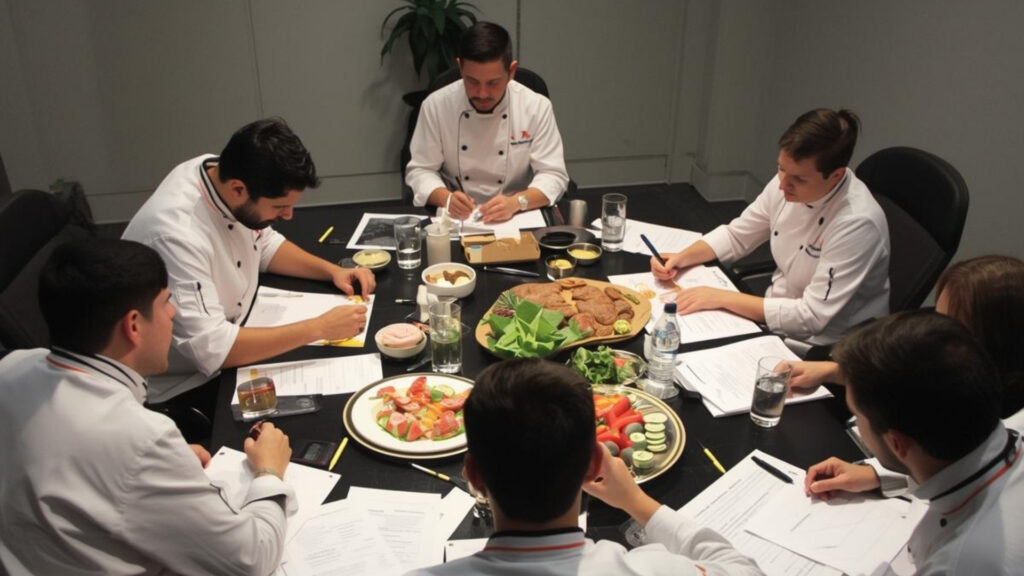
Sustainability initiatives fail when management dictates them strictly top-down. Instead, they thrive when employees champion them from the bottom up. Effectively activating your pledge on food waste focuses heavily on technical kitchen mastery and team behavioral psychology.
Skill-Based Training
Moving far beyond basic environmental awareness, our framework mandates specialized, hands-on training for the culinary brigade. Specifically, chefs master advanced knife skills to maximize whole-ingredient yield. Consequently, this training slashes raw preparation trimmings instantly.
The Operational Feedback Loop
Additionally, managers incentivize frontline team members via tailored reward systems. Employees regularly contribute creative, menu-level reduction ideas. Furthermore, trainers fully integrate food waste Standard Operating Procedures (SOPs) into mandatory staff orientation. They execute regular knowledge checks on the floor. Therefore, venues ensure that even temporary, seasonal, or casual banquet staff become active participants in the asset protection mission.

Data-Driven Hospitality Food Waste Framework
You cannot manage what you do not measure accurately. This phase serves as the core analytical engine of the certification. Specifically, it transforms daily kitchen scrap into a structured data set for continuous improvement.
Granular Categorization
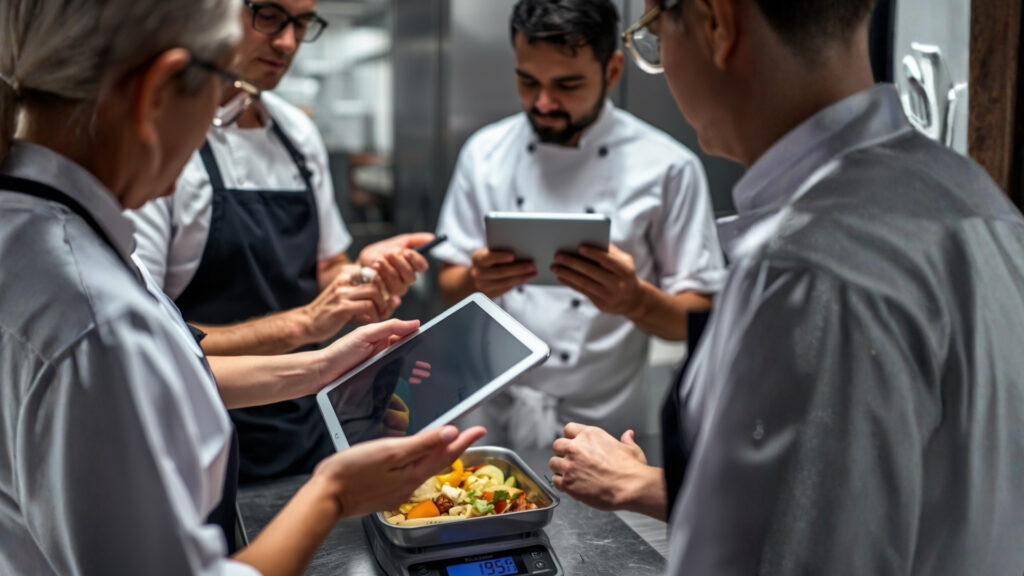
Kitchen staff physically weigh, categorize, and record waste daily. They track data across four non-negotiable operational areas. These areas include spoilage, preparation waste, buffet leftovers, and customer plate waste.
Advanced Menu Engineering
Meanwhile, members utilize an integrated popularity–profitability matrix for ongoing menu engineering. This data isolates high-waste dishes for immediate portion, component, or presentation redesign. Furthermore, culinary teams execute frequent kitchen “Buffet Freezes” to evaluate leftovers in real time. Thus, they pinpoint exact opportunities to scale back overproduction without ever compromising the visual abundance expected by the guest.
Operational Excellence in Preparation & Service
This phase is where technical back-of-house efficiency directly interfaces with the guest experience. It focuses intently on optimizing the “Flow of Food” through tight kitchen logistics.
Intelligent Inventory Management
First, supervisors implement a rigorous FEFO (First Expired, First Out) rotation model. They pair this system with scheduled, mandatory refrigerator calibration checks. Consequently, this routine prevents premature shelf-life spoilage.
Service and Portion Innovation
Additionally, we actively shift the traditional service paradigm. Kitchens shrink buffet presentation trays and utilize presentation plates under 23cm. Furthermore, outlets offer flexible, tiered portion sizes to guests. Every single ingredient scrap counts. For example, chefs creatively upcycle pristine kitchen offcuts into rich stocks, reductions, or dedicated Mindful Dishes. Therefore, they extract maximum financial utility from every single invoice purchased.

Inspiring Guests and Leading the Conversation
This operational shift gracefully transforms the diner from a passive consumer into an active sustainability partner. By converting eco-conscious practices into a seamless, silent amenity, venues elevate their overall brand value. Thus, they solidify their long-term commitment to the framework.
Omnichannel Advocacy
Organizers display a property’s commitment to resource conservation at every digital and physical touchpoint. Specifically, they utilize in-room digital applications, interactive menus, and engaging social media storytelling.
The Social Contract
Meanwhile, properties collect direct guest feedback regarding sustainability efforts. They reward mindful consumption during global activations like Food Waste Prevention Week. Consequently, these programs foster a powerful, shared sense of purpose that builds profound, long-term brand loyalty.

Circularity and Closing the Waste Loop
While our framework aggressively prioritizes source prevention, we recognize that zero waste is an iterative journey. The final steps ensure that staff completely divert unavoidable organic surplus away from municipal landfills.
Human-First Redistribution
First, managers immediately redirect safe, edible surplus food to validated local charities. Alternatively, they list items via commercial discount platforms. Therefore, they ensure the food reaches a human plate rather than a trash bin.
The Nutrient Cycle
Meanwhile, teams systematically divert true non-edible organic waste to authorized animal feed programs. They partner with local composting facilities or commercial biogas transformation plants. By mapping out high-volume waste streams for upcycling, properties ensure that valuable nutrients return straight back into the regional agricultural ecosystem.

Activating the Hospitality Food Waste Framework
By adopting this comprehensive model, commercial hospitality operators do not simply minimize their environmental footprint—they actively optimize their Food Cost Percentage, streamline labor efficiencies, and experience a measurable boost in operational ROI. In a global marketplace rapidly shifting toward mandatory zero-waste legislation and strict corporate compliance, implementation of this framework serves as your ultimate long-term competitive advantage.
Ready to position your venue at the forefront of the circular hospitality movement? Start by measuring your current operational impact. Complete our new Certified Food Waste Consultant evaluation today to uncover hidden savings in your food operations.
Start by identifying your impact. Complete our new Certification Assessment Questionnaire to see how your current operations align with the 6 Pillars. Start The Assessment