
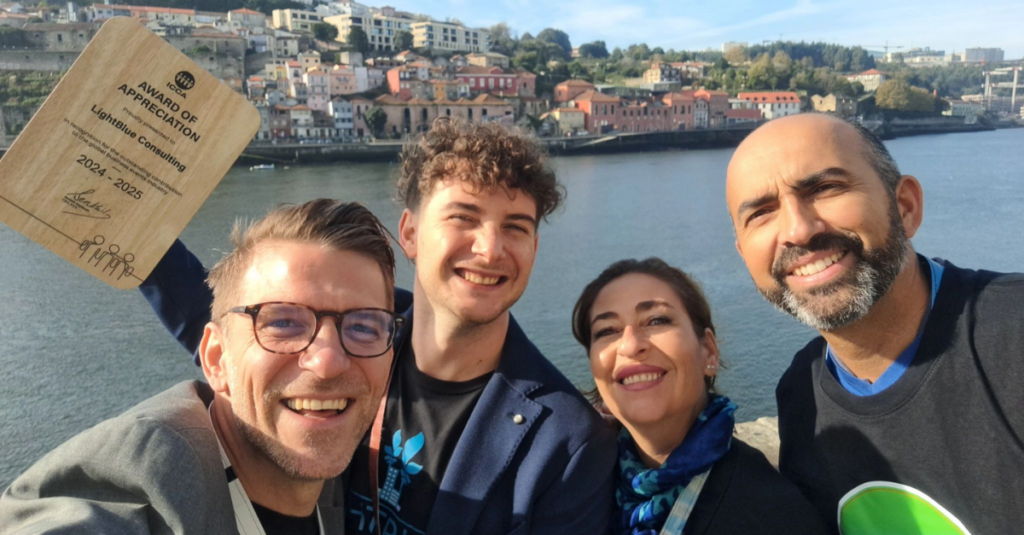
Transforming the sustainable business events industry requires bold action from international event organizers. Specifically, the 64th ICCA Congress in Porto established a historic environmental milestone. The four-day event welcomed 1,514 global delegates from 81 countries. Remarkably, the Congress became a verified Zero Food Waste to Landfill Event. Consequently, this incredible feat proves that major international gatherings can eliminate environmental harm entirely.
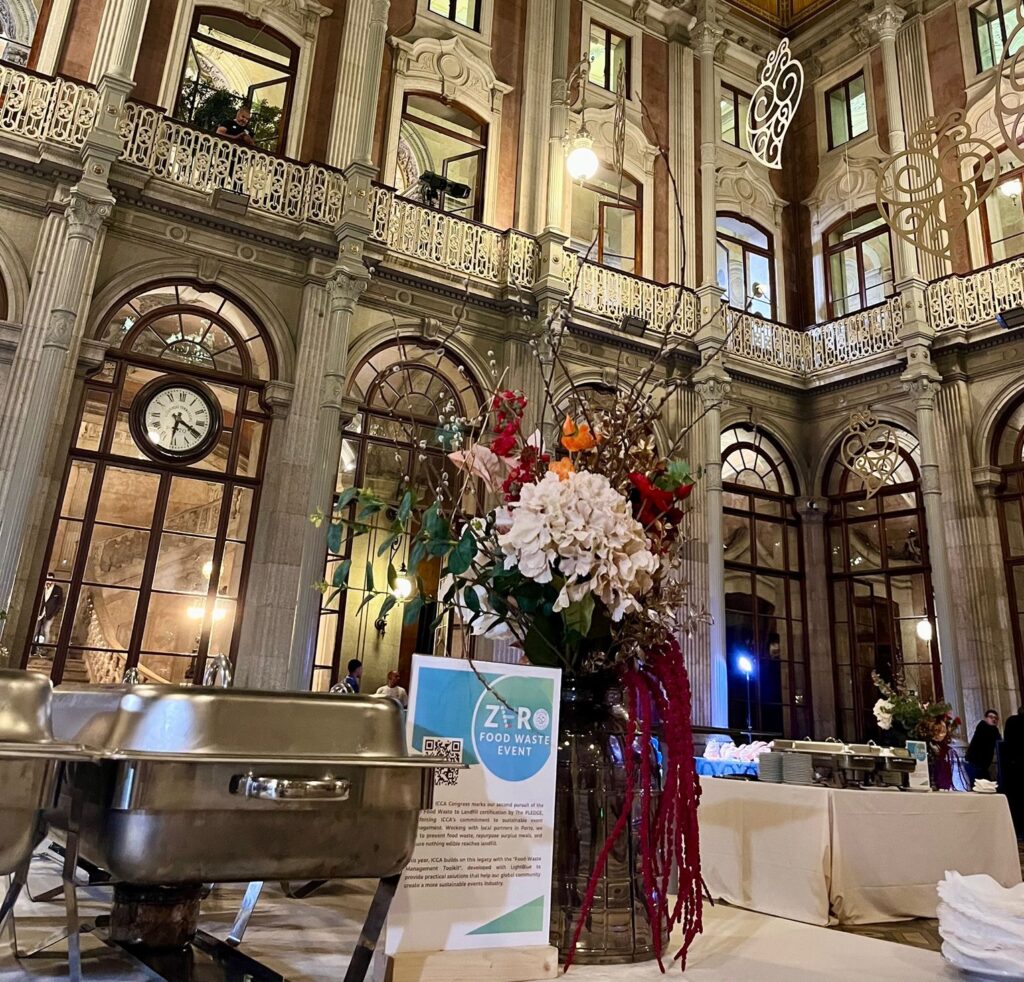
Four iconic Portuguese venues hosted this historic culinary victory. These venues included the Alfândega Congress Centre and the Coliseum of Porto. Meanwhile, the Stock Exchange Palace and the Super Bock Arena also participated. Together, these event venues successfully diverted 1,495 kilograms of food from local landfills. Thus, they effectively saved 2,990 meals. Furthermore, they reduced total carbon dioxide emissions by 3,737 kilograms.
See how your kitchen can achieve the same level of verified zero-waste excellence. Explore The PLEDGE certification framework. → [Explore The PLEDGE For Events]
The Blueprint for Success: A Three-Pillar Approach
Achieving this rigid environmental standard in a multi-venue format requires strict operational systems. Therefore, the team implemented a rigorous, data-driven framework from The PLEDGE on Food Waste. Specifically, Lightblue provided expert technical guidance throughout the process.
1. Mastering Food Waste Flows & Operations
The operational backbone of the initiative involved the strict implementation of digital monitoring systems. Over the course of 16 monitored meals, the team worked with multiple catering companies. Specifically, they partnered with Palace Catering and Silva Carvalho Catering. Consequently, these businesses successfully changed how staff handled food behind the scenes.
Training Food Waste Warriors
Each distinct venue utilized different catering staff. Therefore, we utilized a hands-on training approach on the kitchen floor. Key personnel quickly transformed into active “Food Waste Warriors” during the event. Furthermore, these individuals wore distinctive badges to signal their deep environmental commitment.
Implementing Smart Kitchen Tactics
Caterers created circular recipes during menu preparation. For example, teams cooked delicious vegetable creams utilizing clean trimmings and peelings. Meanwhile, supervisors introduced strict buffet optimization rules to control guest portions. We removed large trays to discourage over-stacking. Additionally, we limited plate sizes effectively. Instead of replacing empty platters entirely, staff refilled partially empty trays. Thus, they controlled surplus food levels perfectly.
2. Deep Participant Engagement
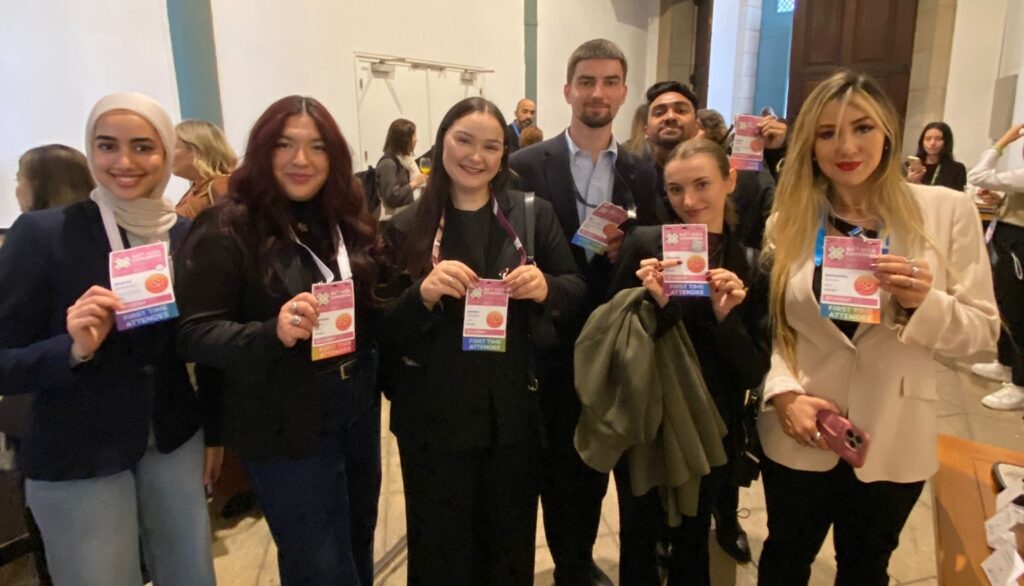
True sustainability always represents a collective effort across the entire hospitality sector. We did not want delegates to just eat passively. Instead, we inspired them to become part of the solution.
Managing Pre-Event Headcounts
Consequently, ICCA sent timely RSVP emails asking for precise participation confirmation. This smart step allowed for highly accurate headcounts. Therefore, planners prevented kitchen over-production before the event started. Furthermore, the green initiative took center stage. The ICCA Chief Executive Officer and President introduced the parameters during the Welcome Ceremony.
Clear On-Site Communication
Meanwhile, organizers shared recurring status updates openly throughout the event. This constant communication kept the environmental momentum alive. Every dish on the buffet line featured accurate descriptions. Furthermore, signs provided clear dietary information. Therefore, guests took only what they would actually enjoy.
3. Rescuing the Surplus: 1,495 KG Diverted
Despite the best planning, surplus is often inevitable in large-scale hospitality. The difference at ICCA Porto was where that surplus went.
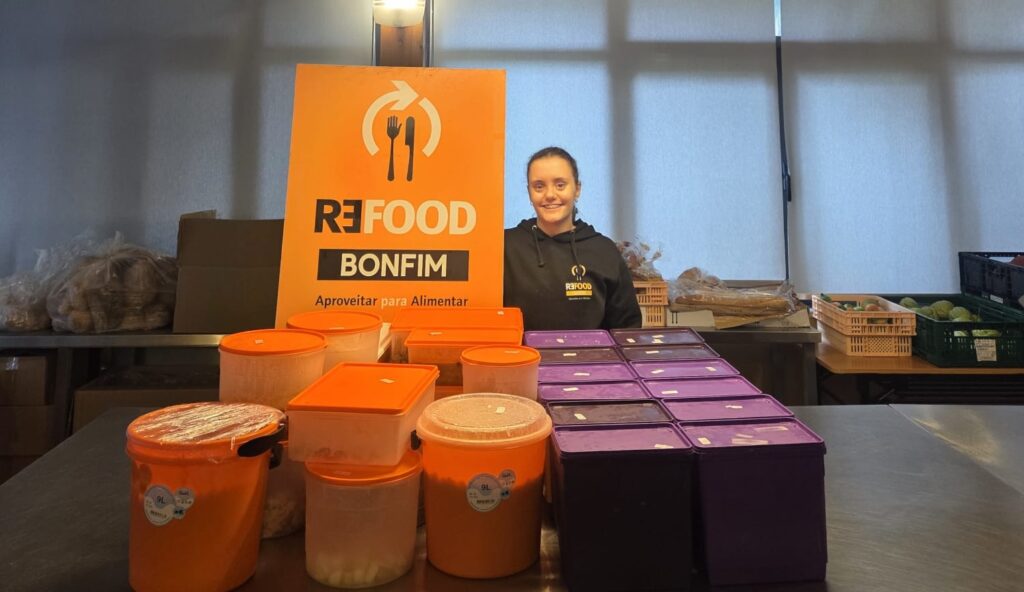
By partnering with ReFood and O Coração da Cidade, we ensured that high-quality food reached those in need within the Porto community. At the Gala Dinner alone, we optimized consumption by offering additional servings of the main course (Beef Sirloin) rather than letting it go to waste in the kitchen.
The Legacy of Porto
The 64th ICCA Congress has proved that “Zero Food Waste to Landfill” Event verification is not a dream—even for events with over 1,500 attendees across multiple locations. By training 300+ professionals and rescuing nearly 1.5 tons of food, they haven’t just charted a course towards a more sustainable future for the industry; they set the standard for large-scale events worldwide.
Building on a Sustainable Legacy Porto’s achievement was the next step in a journey that began in Abu Dhabi. Read how the 63rd ICCA Congress became the first global event to receive this historic certification and set the stage for our success today. 🔗 Explore the 63rd ICCA Congress
Pingback: Sustainable Congress Porto: The 64th ICCA Zero Waste Event