

The Lisbon Marriott Hotel recently achieved a perfect 100% All-Star score with The PLEDGE on Food Waste. This massive milestone reflects months of operational changes, team commitment, and important shifts in guest behavior. Specifically, behind this achievement stands António Pereira, the dedicated Restaurant and Banquets Manager. António has served the hotel for over 30 years. He started as a pool boy at age 19. Subsequently, he worked through nearly every department before taking on his current leadership role.
“Throughout my time here, I’ve witnessed many changes in the hospitality industry. But The PLEDGE pushed us to rethink not just how we operate behind the scenes, but how we engage guests in reducing food waste.” — António Pereira
Identifying the Major Sources of Hotel Food Waste
To effectively tackle hotel food waste, managers must first understand exactly where the surplus originates. For most properties, the main culprits appear very clear. Specifically, kitchens generate waste from guest buffet leftovers and excess trims during daily meal preparation.
As António observed at the Lisbon Marriott, buffets pose a unique operational challenge. Hotels must offer variety while meeting unpredictable demand during large-scale events. Consequently, guests often serve themselves more than they can realistically consume. This habit contributes directly to plate waste.
Furthermore, behind the scenes, essential tasks like preparing ingredients generate significant amounts of trash. For example, vegetable peels, meat cuts, and bread ends add up substantially over time. Operators can develop targeted, effective solutions only when they track these patterns. Utilizing a robust certification program like The PLEDGE provides the exact data clarity that teams need.
See how your kitchen can achieve the same level of verified zero-waste excellence. Explore The PLEDGE certification framework. → [Explore The PLEDGE Certification]
Small Changes, Big Impact
Since committing to a food waste certification goal, the Lisbon Marriott introduced several key initiatives focused on portion control and raising guest awareness.
The most effective, yet simple, change was offering smaller portions, particularly during buffets and banquets. This strategy wisely allows guests to savor their meals without generating excess, while still giving them the freedom to return for more if they desire. Simultaneously, the team now meticulously monitors weekly food waste reports. They use actual consumption data, not guesswork, to plan and prepare the right amount of food for daily operations and various group events. To make the sustainability effort visible, the hotel also added ‘Zero Waste’ plates to their à la carte menu, showcasing dishes specifically designed to use ingredients with maximum efficiency, therefore minimizing preparation waste.
Guests Are Noticing And Engaging
Since committing to a formal food waste certification goal, the Lisbon Marriott team introduced several key initiatives. These programs focused heavily on portion control and raising guest awareness.
Smart Portion Control
First, the most effective change involved offering smaller portions during buffets and banquets. This strategy wisely allows guests to savor their meals without generating excess. Meanwhile, diners maintain full freedom to return for more food if they desire.
Data-Driven Planning
Simultaneously, the team now meticulously monitors weekly hotel food waste reports. Managers use actual consumption data instead of loose guesswork to plan kitchen production. Therefore, they prepare the right amount of food for daily operations and various corporate group events.
Creative Menu Engineering
To make the sustainability effort highly visible, the hotel also added dedicated ‘Zero Waste’ plates to their à la carte menu. Chefs design these dishes specifically to use ingredients with maximum efficiency. As a result, this practice minimizes preparation waste at the source.
Guests Are Noticing and Engaging
The operational changes haven’t gone unnoticed on the floor. Indeed, António has witnessed a clear shift in guest behavior since implementing these initiatives.
“Guests are more conscious about how much food they take, especially at buffets, where smaller portions and improved layout encourage mindful choices,” he observes. “Many guests ask about the concept, and it opens up great conversations about sustainability and our efforts to reduce waste.”
One specific moment truly stands out for the staff. During a corporate banquet, a guest asked about the ‘Zero Waste’ plate on the menu. After learning about the sustainability effort, she called over several colleagues to try the dish.
António recalls, “Later, she told us how impressed she was that a hotel of our size was taking real steps to reduce food waste and that she’d be taking the idea back to her own company’s catering team.”
Furthermore, traveling families have responded very positively to the program. “We’ve had parents at breakfast buffets comment on the smaller portion sizes, saying it helped their children learn not to waste food,” he adds.
Consequently, these interactions show that guests do not just notice the changes. Rather, they actively engage with them and share the ideas far beyond the hotel walls. Therefore, when you make sustainability visible and easily accessible, guests naturally want to become part of the solution.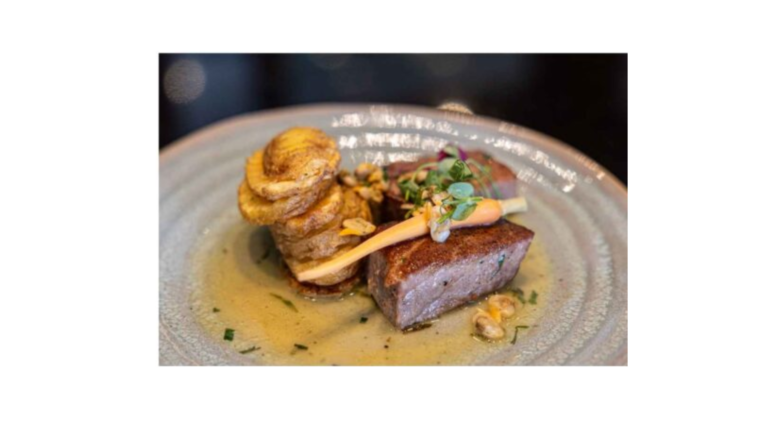
“When you make sustainability visible and easily accessible, guests naturally want to become part of the solution.”
About António Pereira
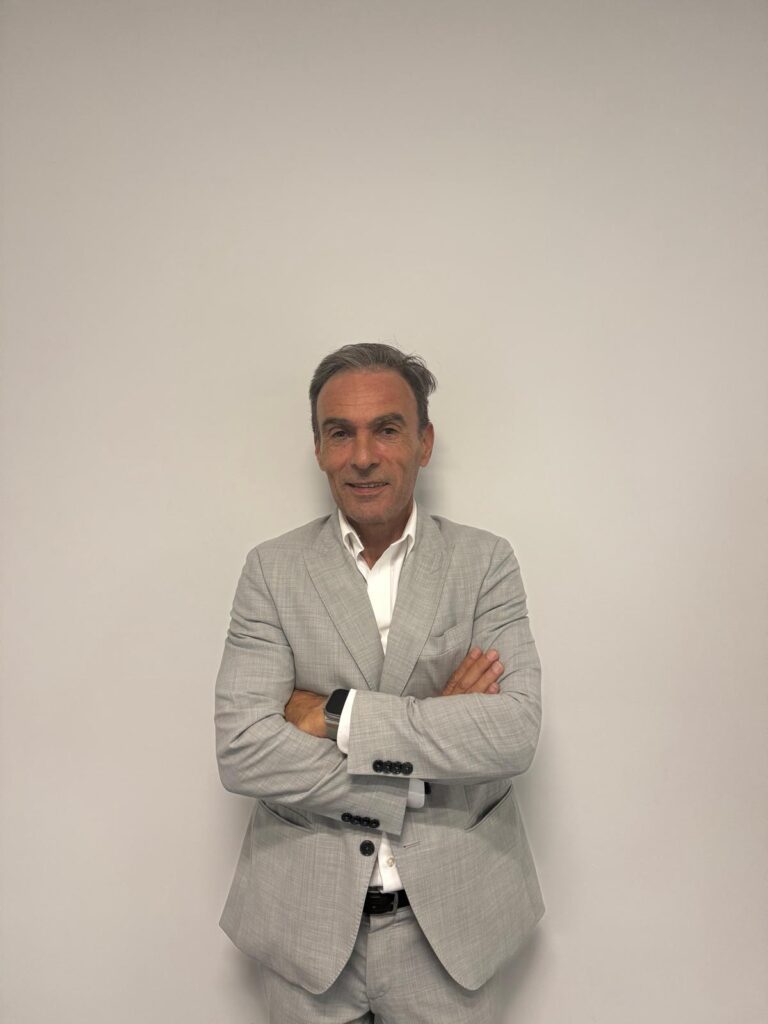
António Pereira is the Restaurant and Banquets Manager at the Lisbon Marriott Hotel, where he has been a cornerstone of the team for over 30 years. His journey in hospitality began at 19 as a pool boy, and through dedication and a deep commitment to guest service, he rose through the ranks gaining hands-on experience in nearly every aspect of hotel operations. His leadership has been instrumental in implementing food waste reduction initiatives, contributing to the hotel’s recognition through The PLEDGE.
Your writing is not only informative but also incredibly inspiring. You have a knack for sparking curiosity and encouraging critical thinking. Thank you for being such a positive influence!
Pingback: Culinary Innovation: Five PLEDGERs' Zero Waste Dishes Setting the Standard - The Pledge on Food Waste
Pingback: Beyond The Menu: How Kazan Palace by TASIGO Transformed Luxury into Mindful Gastronomy - The Pledge on Food Waste
Pingback: food waste management in hospitality with d2l sg