Creating a truly sustainable hospitality experience allows modern luxury resorts to protect local ecosystems while optimizing their kitchen operations. Today, we welcome you to the ninth episode of our popular series. In this edition, we travel to the heart of Bangkok, Thailand. Specifically, we spotlight a remarkable achievement in eco-friendly hotel management. For context, our previous episode featured Chef Kenny in Beijing. However, today we celebrate the innovative W Bangkok culinary team.
Following the strict PLEDGE guidelines, their daily work provides a strong example of effective food waste management. For instance, their signature restaurant, The Kitchen Table, recently earned official certification. The culinary team achieved an impressive 91% score to secure Gold Level status. Therefore, this milestone showcases the successful implementation of their kitchen waste reduction strategies.
Director of Culinary Chef Steven Kim guides this 360-degree approach to sustainability. In short, this circular system eliminates waste by giving every single element a renewed purpose. The core philosophy begins with raw ingredient sourcing. Then, it completes the loop by transforming kitchen scraps into a valuable resource. Consequently, this view integrates the entire food and beverage operation into a sustainable cycle. Indeed, this framework remains central to their food waste management program.
See how your kitchen can achieve the same level of verified zero-waste excellence. Explore The PLEDGE certification framework. → [Explore The PLEDGE Certification]
A Dedicated Mission for Minimal Waste
Accordingly, W Bangkok strives to promote a waste-conscious environment throughout the entire property. The hotel’s primary mission minimizes the amount of food waste sent to local landfills. To achieve this environmental goal, their corporate strategy involves several key areas. First, they focus on raising awareness among staff and guests. Next, they educate their internal teams on sustainable practices. Finally, they implement internal tracking systems that reduce kitchen waste. These steps redirect surplus food to other productive uses. As a result, this proactive approach helps create a new standard for responsible hospitality.
From Rooftop Garden to Restaurant Plate
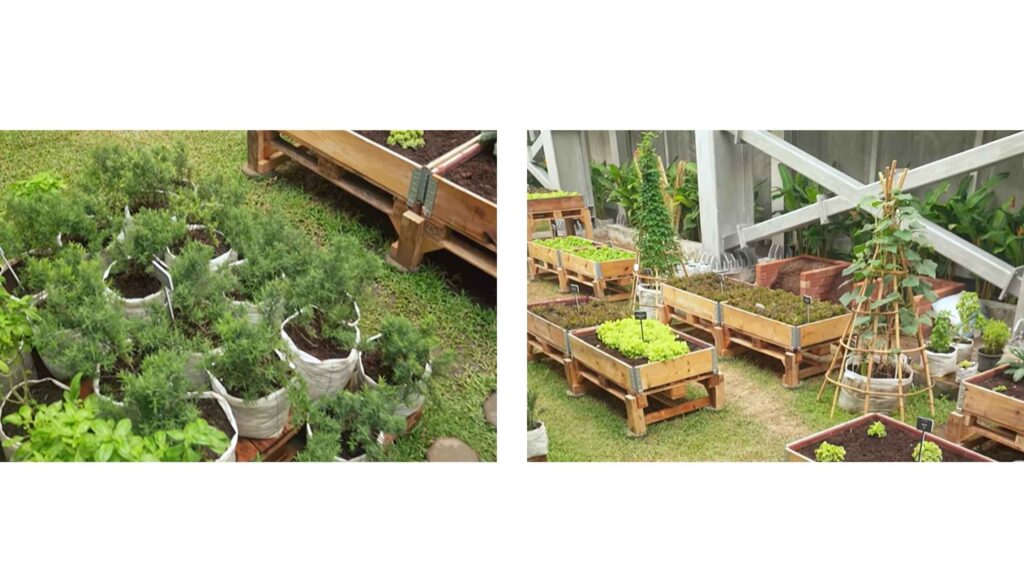
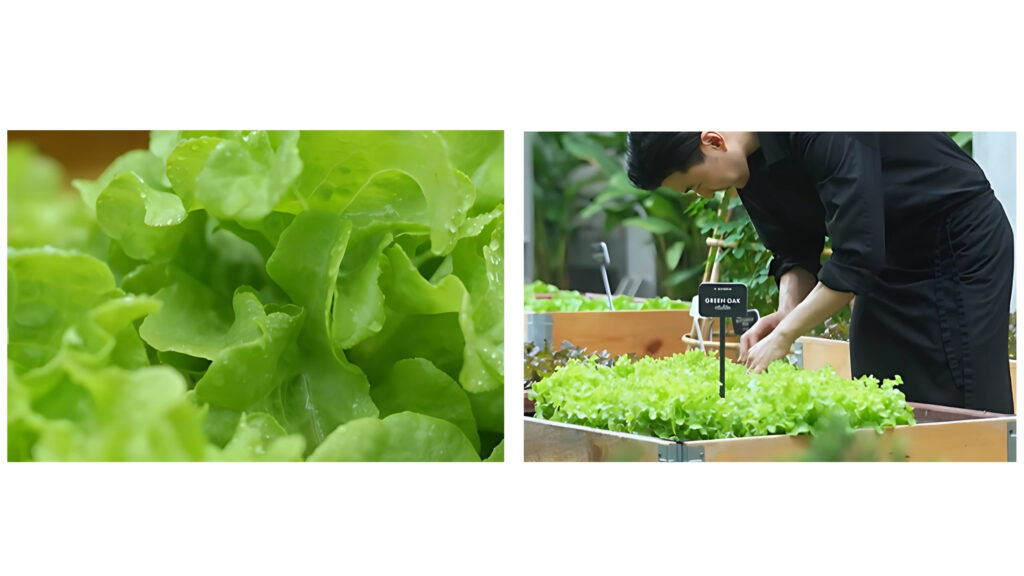
Indeed, a core component of this system involves the hotel’s urban rooftop garden. This garden supplies fresh ingredients directly to the hotel’s main restaurants. For example, diners at Paii and The House on Sathorn enjoy dishes with herbs picked just hours before service. Similarly, mixologists at Bar Sathorn use garden-grown botanicals in their artisanal cocktails to add a local touch. Furthermore, the hotel’s welcome drink features fresh, on-site mint. Ultimately, this garden-to-table model reduces the heavy carbon footprint from food transportation while improving ingredient freshness.
Closing the Loop inside a Sustainable Hospitality Experience
Furthermore, the hotel’s deep commitment to the circular approach continues after the meal service ends. Instead of discarding organic matter, the team systematically repurposes all food scraps. For instance, they turn a significant portion into nutrient-rich compost for the rooftop garden. The culinary team uses this compost as fertilizer. Thus, this natural additive helps grow the plants for future menus.
Additionally, the hotel has established other productive waste streams. In 2023, they diverted 12,500 kilograms of food scraps to local animal farms for feed. Meanwhile, they send other specific materials like eggshells to a partner food waste composter. This partner processes the waste into organic fertilizer. Consequently, this step improves local soil quality. In this manner, the team manages all waste effectively.

Community Impact and Giving Back
W Bangkok’s sustainability mission also benefits the local community. The hotel collaborates with food rescue organizations, including Scholars of Sustenance (SOS) and Yiindi. Through these partnerships, surplus food from the kitchens is collected and distributed to people in need throughout Bangkok.
The results are notable. In a single year, these initiatives provided over 1,520 meals and 65 food boxes. This effort helps with food insecurity and also has a measurable environmental benefit, saving 1,259 kilograms of CO2 emissions. It shows how focused food waste management can address both social and environmental goals
A Model for Sustainable Hospitality
Chef Steven’s focus on local sourcing and circular systems has helped shape the hotel’s culinary program. The W Bangkok story shows that sustainability can be integrated into a luxury hospitality experience. It is an example of how commitment can lead to real change, making sustainability a core part of operations.
Ready to start your food waste reduction journey?
Learn more about The PLEDGE: thepledgeonfoodwaste.org
Follow us for more inspiring stories:
Visit W Bangkok Hotel