“Sustainability is at the heart of our operations, and reducing food waste has become a key focus across all our culinary experiences.”
Earning a prestigious all-star level food waste certification requires luxury resorts to replace old kitchen guesswork with precise, automated data systems. Sustainability stands at the true heart of our hospitality operations. Reducing kitchen loss has become a primary focus across all our culinary experiences.
Dubai, United Arab Emirates – Enter Anantara The Palm Dubai Resort, where food waste reduction operates as a seamless daily practice. Meticulous data tracking drives this initiative forward. Real kitchen experiences shape the program daily, backed by a deep shared commitment across the entire culinary team.
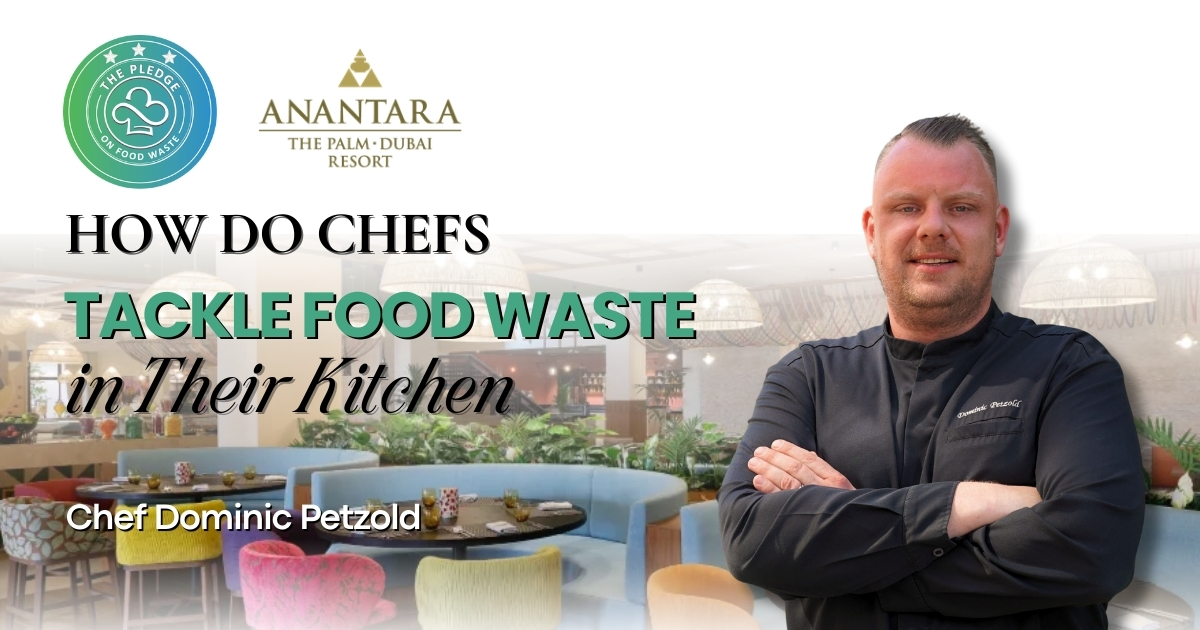
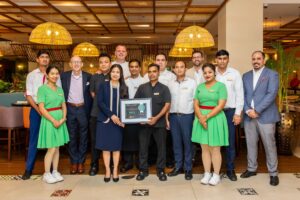
Chef Dominic Petzold, Cluster Executive Chef, shares the practical strategies his team used to make meaningful structural changes behind the scenes. These efforts helped Crescendo Restaurant achieve an all-star level food waste certification from The PLEDGE on Food Waste with an impressive 100% score. This incredible milestone puts them among the top-performing eco-certified establishments globally. Here is exactly how they did it.
See how your kitchen can achieve the same level of verified zero-waste excellence. Explore The PLEDGE certification framework. → [Explore The PLEDGE Certification]
Strategy #1: Forecasting That Actually Works
The Problem: Many hotels still rely on raw intuition or yesterday’s numbers to predict tomorrow’s demand. This practice results in chronic over-ordering, mounting food costs, and preventable food waste. This outdated approach fails to account for the dynamic nature of guest preferences.
Anantara’s Solution: They implemented a sophisticated forecasting system. This system goes way beyond basic cover tracking. It builds on deep analysis of consumption trends and guest behavior patterns. Their team mapped guest preferences against seasonality, local events, and subtle weather patterns. This comprehensive data collection allowed for highly accurate demand prediction.
The Impact: This precise forecasting dramatically reduced over-ordering. Consequently, it minimized spoilage and created a leaner, much more efficient kitchen operation. When you accurately know what guests want, food waste becomes the exception rather than the costly rule.
Strategy #2: The Buffet Revolution
The Problem: Traditional buffet wisdom dictates keeping every serving tray completely full until service ends. This creates an illusion of abundance for guests but inherently generates massive food waste as food sits, cools, and becomes unappetizing.
Anantara’s Breakthrough: They introduced smaller, more frequent refills, especially for slower-moving menu items. Instead of massive serving trays that sit under heat lamps, they opted for smaller portions refreshed throughout service.
Why It Works: Guests do not prioritize sheer volume; they prioritize absolute freshness. A small, perfectly prepared tray of food beats a large tray of dried-out offerings every time. This simple yet impactful shift maintained high guest satisfaction while dramatically cutting plate waste.
Strategy #3: Turning Guests Into Sustainability Partners
The Old Way: Conventional approaches often involve preachy messages about “saving the planet” that guests frequently ignore or even resent. This method typically fails to create genuine engagement or influence behavior.
Anantara’s Approach: They implemented strategic guest engagement across all digital touchpoints. This included their website, mobile app, and on-site screens, highlighting unique zero-waste dishes during themed events. These were not mere token gestures but carefully crafted menu items. They proved that sustainability can significantly enhance, rather than compromise, the luxurious dining experience.
The Result: Guests began feeling like active participants in an exclusive sustainability journey, rather than targets for environmental guilt. When luxury seamlessly meets responsibility, genuine guest engagement and positive word-of-mouth follow naturally. This proactive engagement further supports the hotel’s broader food waste reduction goals.
Strategy #4: Waste Audits as Strategic Intelligence
The Missed Opportunity: Most properties either skip crucial food waste audits entirely or treat them as compliance exercises rather than business intelligence.
Anantara’s Game-Changer: Regular waste audits became their early warning system. By monitoring patterns consistently, they identified problem areas before they became costly mistakes.
Key Insight: Data without action is just paperwork. Their audits revealed specific patterns which stations over-produced, which menu items had highest plate waste, even which shifts were more waste-prone. This precision allowed for targeted interventions rather than broad, ineffective policies. This data-driven strategy proved critical in optimizing food waste in hotel kitchens.
The Bottom Line: Sustainability That Pays
Here’s what skeptics need to know: these changes didn’t just reduce environmental impact, they improved financial performance.
Anantara The Palm Dubai Resort now consistently reports:
• Significant reductions in food waste across buffet and à la carte operations
• Improved food cost-to-revenue ratios
• Enhanced operational efficiency throughout the kitchen
What This Means for Your Property
The Anantara model profoundly proves that achieving top-tier food waste reduction is not about implementing a single, magical solution. Instead, it involves building robust, integrated systems that make waste reduction a natural, inherent part of daily operations. This structured approach, supported by food waste certification, ensures long-term success.
Whether you’re running a boutique hotel or a large resort, these strategies are scalable:
• Start with data-driven forecasting to prevent waste before it happens
• Rethink your buffet strategy to prioritize freshness over volume
• Engage guests as partners, not targets for environmental messaging
• Use waste audits strategically to identify and fix specific problems
If a luxury resort in one of the world’s most demanding markets can achieve 100% on The PLEDGE while improving profitability, what’s stopping your property from doing the same? Learn more about The PLEDGE certification and discover how our third-party audited system can help your property achieve similar results.
We extend again our warmest congratulations to Anantara The Palm Dubai Resort for their achievements made possible with the support of our Accredited Food Waste Consultant Radhika Arapally from Sustainability Kiosk.
Follow The PLEDGE on Food Waste: